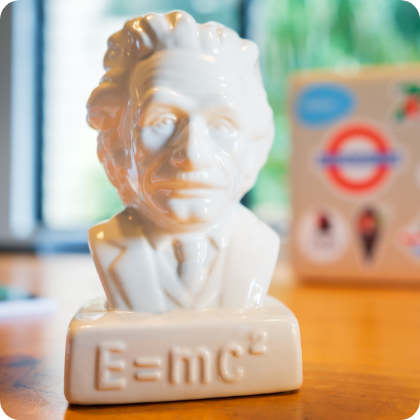
Albert Einstein said: “The world we have created has problems and we cannot solve these problems by using the same logic that created these problems.”
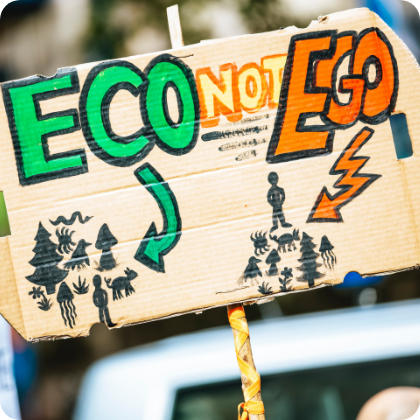
If this is true, then to solve the environmental problems we are facing today – we need to begin by identifying the kind of thinking that has had destructive impacts on people and planet/ecology) – then replace these with the logical alternatives that will be beneficial for people and planet.
The following seven thinking patterns have a profound impact on the health and wellbeing (or otherwise) of people and planet.
These are the seven positive VIRTUES of Eco-Logic that provide a frame of reference from which we can begin to heal people and planet:
Vision
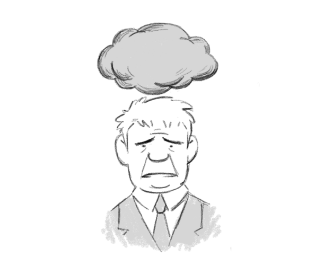
Doom, gloom and a pessimistic outlook towards the future of the planet and society can be destructively self-fulfilling.
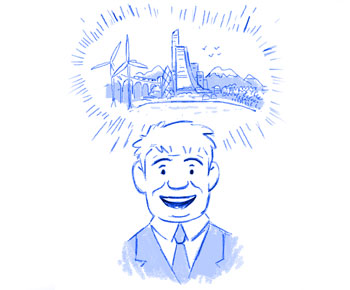
This must be replaced with a positive and inspirational VISION of the world we can and would love to live in. It will motivate and guide us to create a better environment and society for all.
INCLUSIVE THINKING
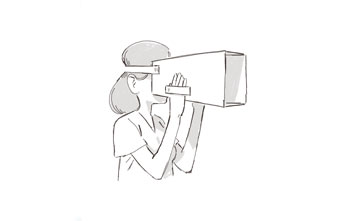
Thinking in ‘silos’ can disconnect people from seeing ‘the bigger picture’. This can result in decision-making that may only be beneficial for a small specialised group, but not for the environment and society as a whole.
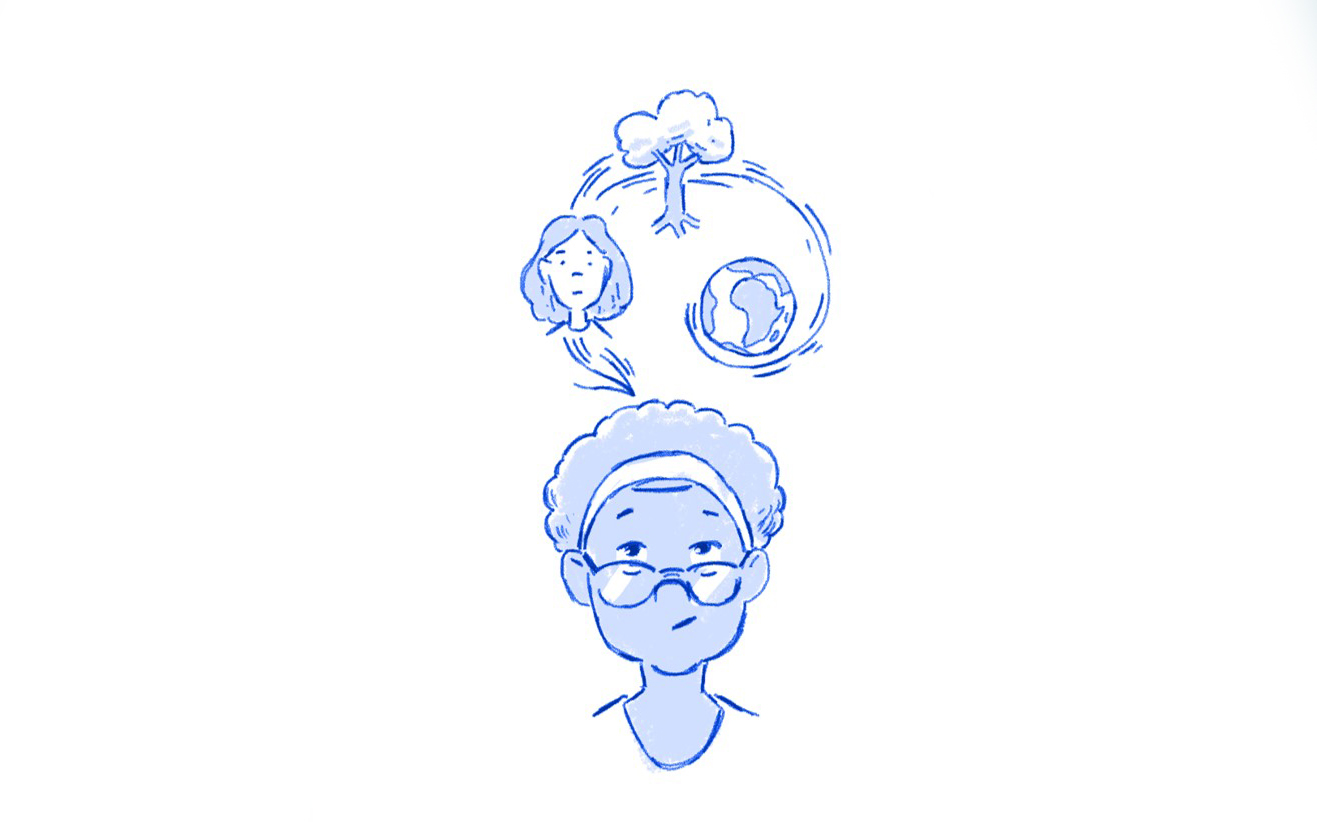
We must broaden our narrow-minded thinking to be more INCLUSIVE of the greater good.
RECONNECTION WITH NATURE
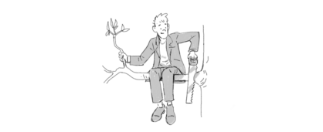
Because half the world’s population lives in urban environments, many are disconnected from nature and have forgotten that we are dependent on it. Too many of us are unaware or have ignored the huge damage and destruction that has been inflicted on nature.

For the sake of our own survival, we must therefore RECONNECT with nature. We must restore and build a mutually supportive, regenerative relationship with nature.
THREE DIMENSIONAL INTELLIGENCE
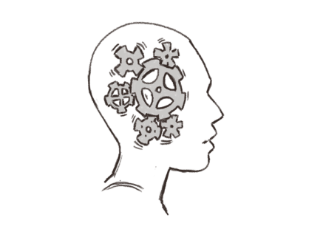
Business and science today considers emotions and feelings irrational. They normally prefer to rely exclusively on the use of logical, rational intellect when making decisions. Consequently, there is a terrible lack of compassion for both people and the planet.
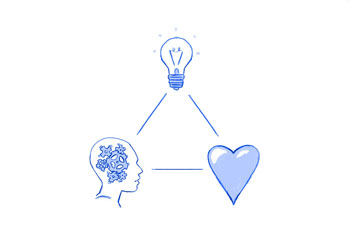
Let’s re-evaluate and engage the different forms of intelligence we are all born with. Our INTELLECT is our conscious mechanical mind and an instrument for measuring quantity such as ‘how much’, ‘how far’, ‘how quick’. Whereas our INSTINCTS, our unconscious or subconscious mind, is very good at measuring qualities like beauty, love, kindness, ‘good versus bad’ or ‘right versus wrong’. Sometimes referred to as ‘gut feelings’ or ‘wisdom of the heart’ or simply ‘emotional intelligence’, our capacity for INTUITION is also a genius source of inspiration and innovation. With all three forms of our innate intelligence working together, our approach to business and science is much more balanced, compassionate and productive.
UBUNTU
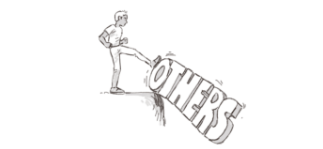
In ‘western culture’ today, there is a predominant focus on the individual in terms of our rights, responsibilities, self-development and self-expression. This is perfectly healthy and appropriate, but in the extreme it can make people quite selfish and uncaring about others or the community they live in.

We need to remind ourselves that no one is completely separate and independent from society. We could not survive or thrive completely on your own. We depend on others for food, clothing, transport, communication and for health and safety. With environmental threats such as water and food shortages looming, we need strong mutually supportive communities more than ever before. We all need to contribute to benefit from them. Every person needs to play an active part in creating and supporting the community in which they live by treating others as generously and kindly as they would like to be treated.
ETHICAL CONSUMPTION

The ‘American dream’ has become an ‘international nightmare’. It drives a culture of consuming far more than we actually need. We have been influenced by emotionally manipulative advertising and many of us believe that our status in society is dependent on how much money and stuff we have. The unintended consequence is that we are currently consuming the Earth’s resources faster than it can recover and regenerate. Over-consumption WILL result in us running out of the very resources we need to survive.

To change this destructive trajectory, we need to slow down and become more conscious and ethical consumers. We must adopt the mantra ‘buy what you need, not for greed’. Quality products (such as clothing, electrical goods, toys and equipment) that last are better than cheap, disposable items that pollute air, landfills and seas. Reward organisations that care for people and the planet with your custom – this will also encourage others to do the same. Place a higher value on non-material assets like intelligence, culture, spirituality and compassion for your community. This shift will ensure that there will be enough for everybody and we can build a far healthier, happier society and environment in which to live.
SUSTAINABLE THINKING
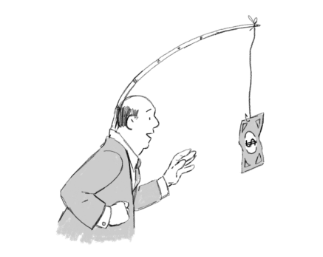
Most of our business and political leaders today are primarily focused on our economies and satisfying our short term needs and desires. The effects of short-term thinking include the decline of fish in our sea and air, water and soil pollution, which has reduced our capacity for food production. This destructive approach will effectively be long-term suicide for humanity and all other species on this planet.
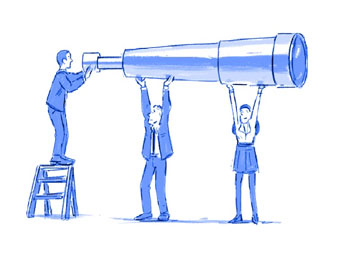
We need to consider the long-term effects of our actions. We must think and act sustainably to survive in future. We need to insist that our leaders always keep long-term impact in mind. We must hold our leaders accountable, ensuring that all decisions and actions consider the long-term wellbeing of people and the planet.
These seven V.I.R.T.U.E.S of Eco-Logic focus on your thinking and values. They provide a frame of reference to assist and enable you to be part of the growing worldwide movement towards creating a more; healthy, happy, fair and sustainable society and environment for us all to live in.
Having looked at the thinking and values that drive your behaviours (and therefore result in the environmental conditions we are experiencing today) – would you like to now evaluate: